GENUINE
GUARDS
GENUINE GUARDS
Free assessment
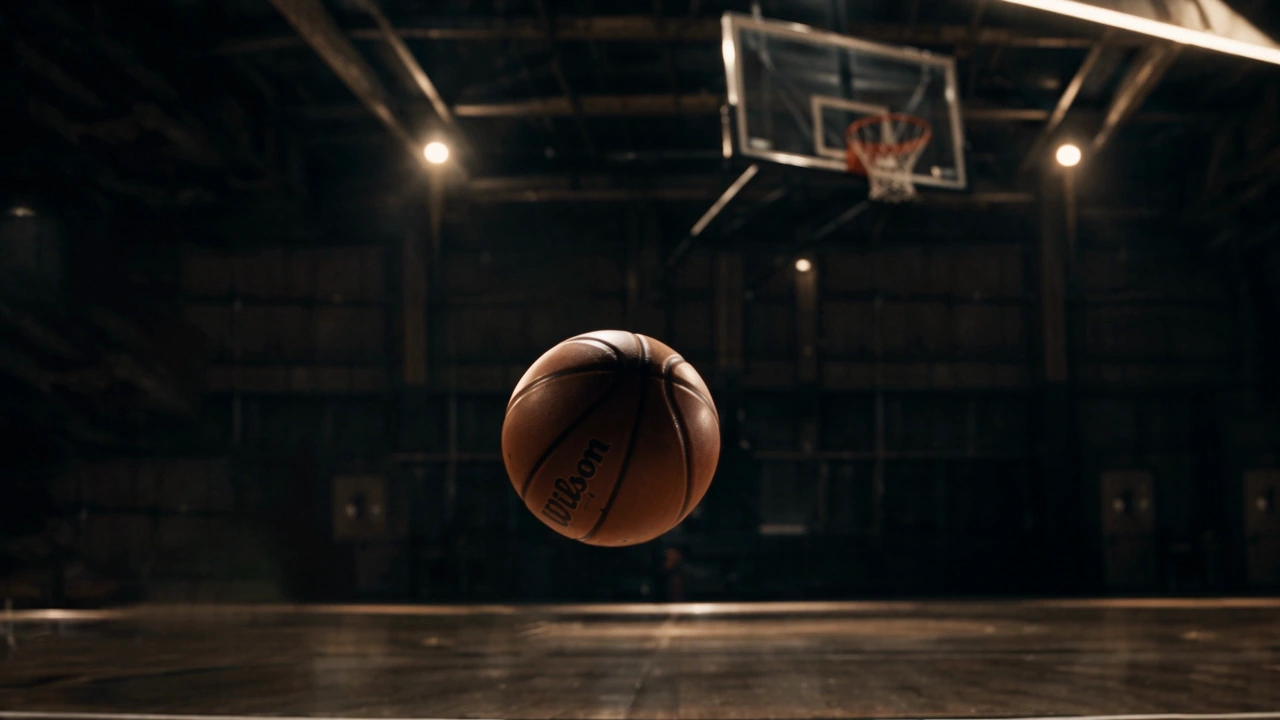
A warm-lit basketball above a hardwood court.

THE METHOD

A REASON FOR
EVERY REP.

Observation
01

ASSESS

We look at your goals, movement patterns, training experience and schedule to build a plan that fits your body and the player you want to become.
02

IDENTIFY & REFINE
MOVEMENT PATTERNS

We build your foundation by refining how you move, helping you transfer force efficiently and reduce unnecessary strain. Better form gives you something solid to build on.

03

ELASTICITY &
FORCE DEVELOPMENT

Strength work, plyometrics and sprints build your capacity to produce and absorb force. We develop tendon strength and elasticity over time, with warm-ups that prepare your nervous system for high-output work.

04

PROGRESSIVE
OVERLOAD

We gradually increase weight, reps, sets or skill difficulty as you adapt. The challenge grows with you, giving your body a reason to get stronger while keeping the quality of your work.

05

LOAD
MANAGEMENT

Plan training with periodization,
adjust for fatigue and your schedule,
and use deloads when needed.

06

DEVELOP
YOUR MIND

We study your film alongside the pro game, then work on reads and decisions on the court. You learn when and how to use the skills and physical tools you’re developing.

05 GET STARTED

FREE ASSESSMENT

Local preview · live booking is not connected yet.

Training by experience

BUILD A FOUNDATION

START SIMPLE.
BUILD IT WELL.

Learn movement and form with a manageable training load, then progress as you adapt.

FOCUSMovement quality & confidence

PROGRESSIONEarn the next challenge

THE METHOD IN PRACTICE

THE GOAL IS PERSONAL.
THE PLAN SHOULD BE TOO.

A first dunk is one example. The same process begins with your goal, your body and your experience.

  1. Find the starting point.

    Look at movement, jump and skill experience, training history and the demands of your week. Start with work you can learn well and recover from.

  2. Give the work a purpose.

    Coordinate strength work, plyometrics, sprints and isometrics. Teach movement and form, then progress the challenge as your response supports it.

  3. Connect capacity to the skill.

    For a first-dunk goal, that could mean lower-rim practice, then rim touches and smaller-ball finishes as ability develops. Pair physical work with basketball skill and film study.

  4. Review. Recover. Adjust.

    Manage the total load, make space for rest and keep the plan responsive. Practice under fatigue can be used selectively when it serves the skill and fits the athlete.

Illustrative coaching pathway, not a promised outcome or timeline. The athlete in the footage is not presented as this example’s case study.

YOUR FIRST CONVERSATION

FIND YOUR
STARTING POINT.

Prepare a note you can keep and share later. This local preview does not send a request or book a session.

No contact details needed. Your entries stay in this page and are not stored after you leave.